

There is something deeply satisfying about food that tastes indulgent while quietly doing a tremendous amount for the body underneath the surface.
This cilantro hummus is one of those recipes.
Bright, intensely herbaceous, rich from tahini and olive oil, it is the kind of thing people ask for the recipe after. It is also loaded with fiber, resistant starch, minerals, polyphenols, and plant compounds that support metabolic and cardiovascular health in ways that most snack foods simply cannot.
Real food that actually tastes good. Here is what is in it and why it matters.
The ingredients

Chickpeas are one of the most nutritionally complete plant foods available. Rich in resistant starch and soluble fiber that selectively feeds beneficial gut bacteria, they also provide plant protein, folate, magnesium, and iron. Their fiber-protein combination slows glucose absorption meaningfully, making them metabolically very different from the refined carbohydrate snack foods most people reach for. Legume consumption is consistently associated with improved cardiometabolic health and lower long-term cardiovascular risk across large nutritional studies.

Cilantro is one of the most underappreciated herbs in terms of nutritional density. Rich in vitamin C, vitamin K, polyphenols, and antioxidant compounds, it contributes phytonutrient diversity that modern eating patterns are often remarkably poor at providing. Emerging research has also explored cilantro's potential role in binding certain heavy metals and supporting detoxification pathways through chelation mechanisms. A full bunch sounds like a lot. It is not. It is what makes this recipe taste like something.

Garlic contains sulfur compounds including allicin, which has demonstrated cardiovascular, antimicrobial, and anti-inflammatory properties across multiple lines of research. Higher garlic intake has been associated with modest improvements in blood pressure, endothelial function, and lipid parameters in clinical studies. Five cloves sounds aggressive until you taste it. Then it feels correct.
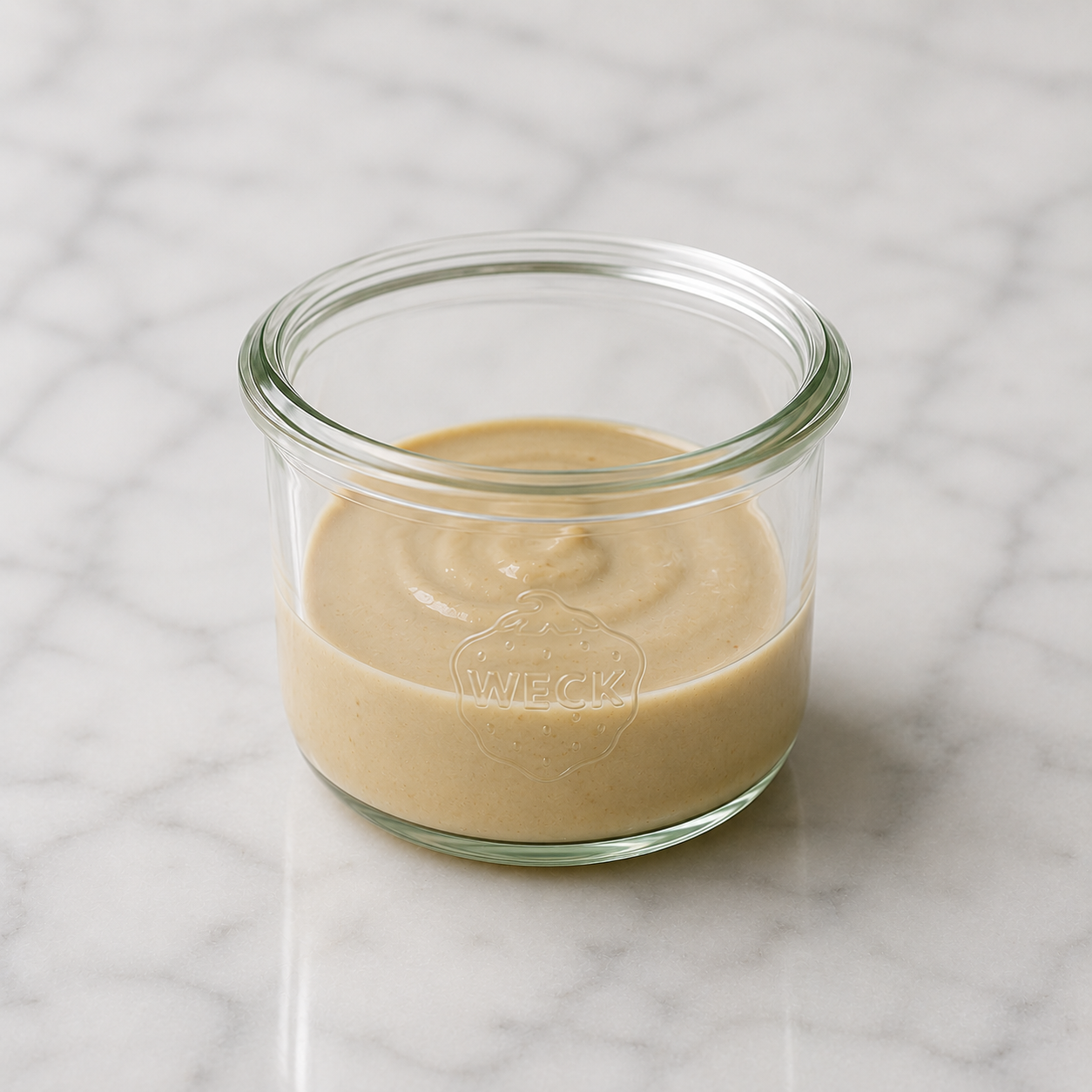
Tahini is sesame paste and one of the more nutritionally underrated ingredients in a standard kitchen. It provides calcium, magnesium, copper, zinc, and sesame lignans with antioxidant and mild phytoestrogenic properties. The fat content slows gastric emptying, supports satiety signaling, and produces the smooth, creamy texture that makes this worth eating over a bag of chips.
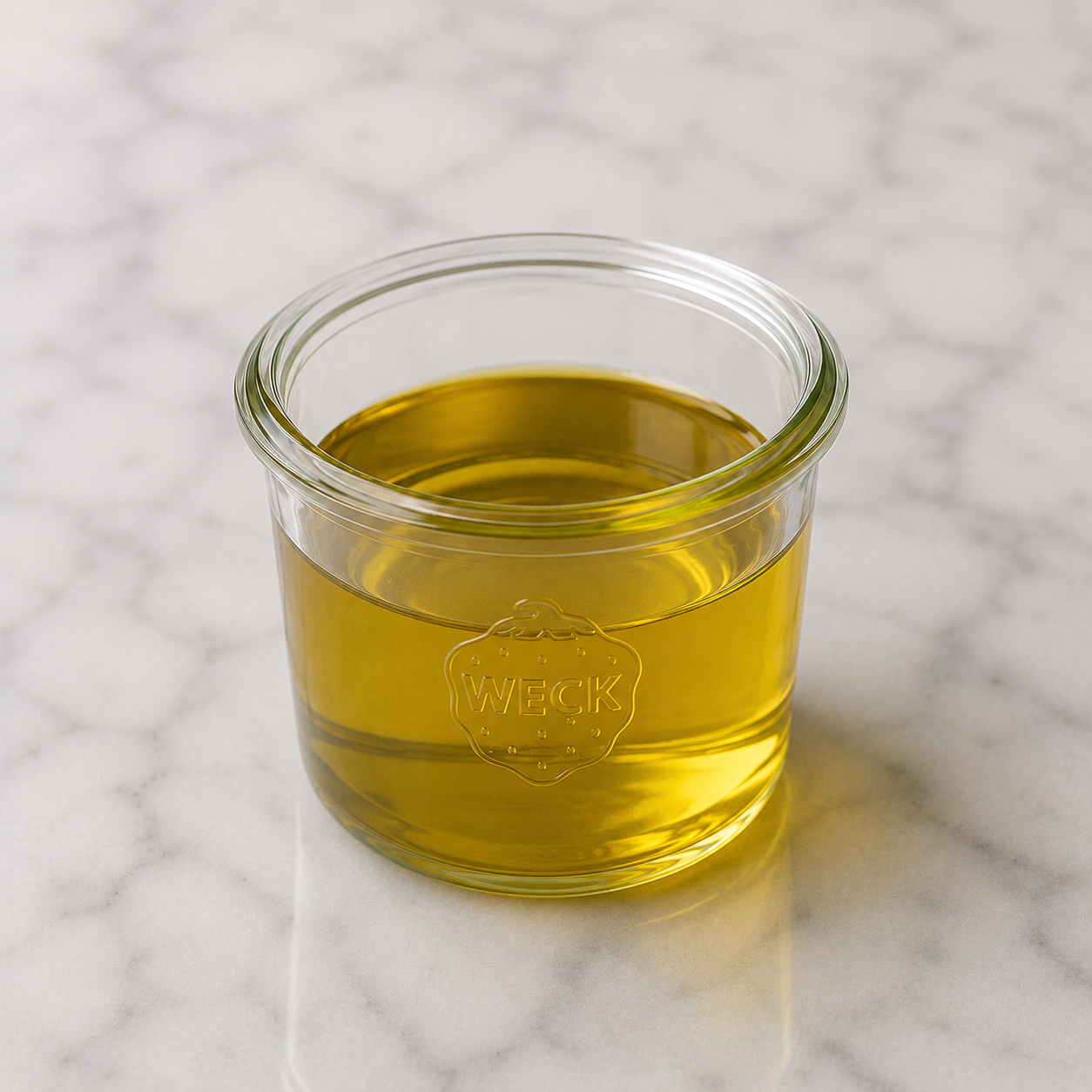
Extra virgin olive oil is one of the best-studied foods in nutritional science, consistently associated with reduced cardiovascular risk, lower inflammation, and improved metabolic health. It is not simply a fat source. It is a biologically active food rich in oleocanthal and other polyphenols with documented anti-inflammatory effects. Add it slowly while blending. The texture will tell you when you have enough.

Flaky sea salt rather than iodized table salt is the better choice here for patients with Hashimoto's thyroiditis, where iodine intake requires careful monitoring. Excess iodine has been associated with increased thyroid antibody levels in susceptible individuals. Flaky sea salt provides flavor and trace minerals without the added iodine of standard table salt. Season at the end and taste as you go.
Real food affects physiology differently. Not overnight. Not magically. But consistently, quietly, and cumulatively over time.
How to make it
Ingredients
- 2 cans organic chickpeas
- 1 bunch organic cilantro
- 5 cloves organic garlic
- 2 tablespoons organic tahini
- Extra virgin olive oil, added slowly until smooth
- Flaky sea salt to taste
- Add the chickpeas, cilantro, garlic, and tahini to a food processor.
- Blend on high. Stream in olive oil slowly while the processor runs until the hummus is smooth and creamy.
- Season with flaky sea salt to taste. Blend briefly to incorporate.
- Taste and adjust. More garlic, more tahini, more olive oil, trust your palate.
The bigger picture
The goal of recipes like this is not perfection. It is gradually crowding out the ultra-processed foods that dominate modern diets with food that actually nourishes the body while still being something you want to eat.
Real food affects physiology differently. Blood sugar regulation. Satiety signaling. Gut microbiome diversity. Inflammatory tone. Cardiovascular health. Not overnight. Not magically. But consistently, quietly, and cumulatively over time.
That is how most meaningful physiologic change actually happens.
← Back to Journal