

There are recipes that taste good. And then there are recipes that taste good and happen to be doing something meaningful for your body at the same time. This is one of the best fertility foods recipes we make at Elevé.
This minted pea soup is one of the latter. Vibrant, silky, and bright with fresh mint, it also delivers one of the highest folate loads of almost any single dish you can make. Which is why it belongs in April, spring peas at their best, and folate exactly when it matters most for anyone in a preconception window.
It works hot or cold. It takes about 20 minutes. Here is what is in it and why it matters.
Note for breastfeeding mothers: This recipe contains a significant amount of fresh mint. Mint has antilactogenic properties and may reduce breast milk supply. It is not recommended during breastfeeding.
The ingredients

Green peas are one of the most underrated vegetables in preconception nutrition. They are exceptionally high in folate, the B vitamin most critical for neural tube development in early pregnancy, with a single cup providing roughly 25% of the recommended daily intake. They also deliver plant protein, resistant starch, and soluble fiber that feeds beneficial gut bacteria, and they have a dramatically lower glycemic response than their natural sweetness suggests. Frozen peas are nutritionally equivalent to fresh and often superior, they are frozen at peak ripeness before nutrient degradation occurs.

Spinach is one of the most nutrient-dense foods per calorie available. It is very high in folate, iron, magnesium, vitamin K, and lutein. The folate in spinach stacks meaningfully on top of the peas, making this soup an unusually rich dietary source. The iron supports red blood cell production and thyroid peroxidase function. The nitrates convert to nitric oxide for cardiovascular and endothelial health. And the lutein supports retinal and macular health, a nutrient that is broadly underconsumed in modern diets.
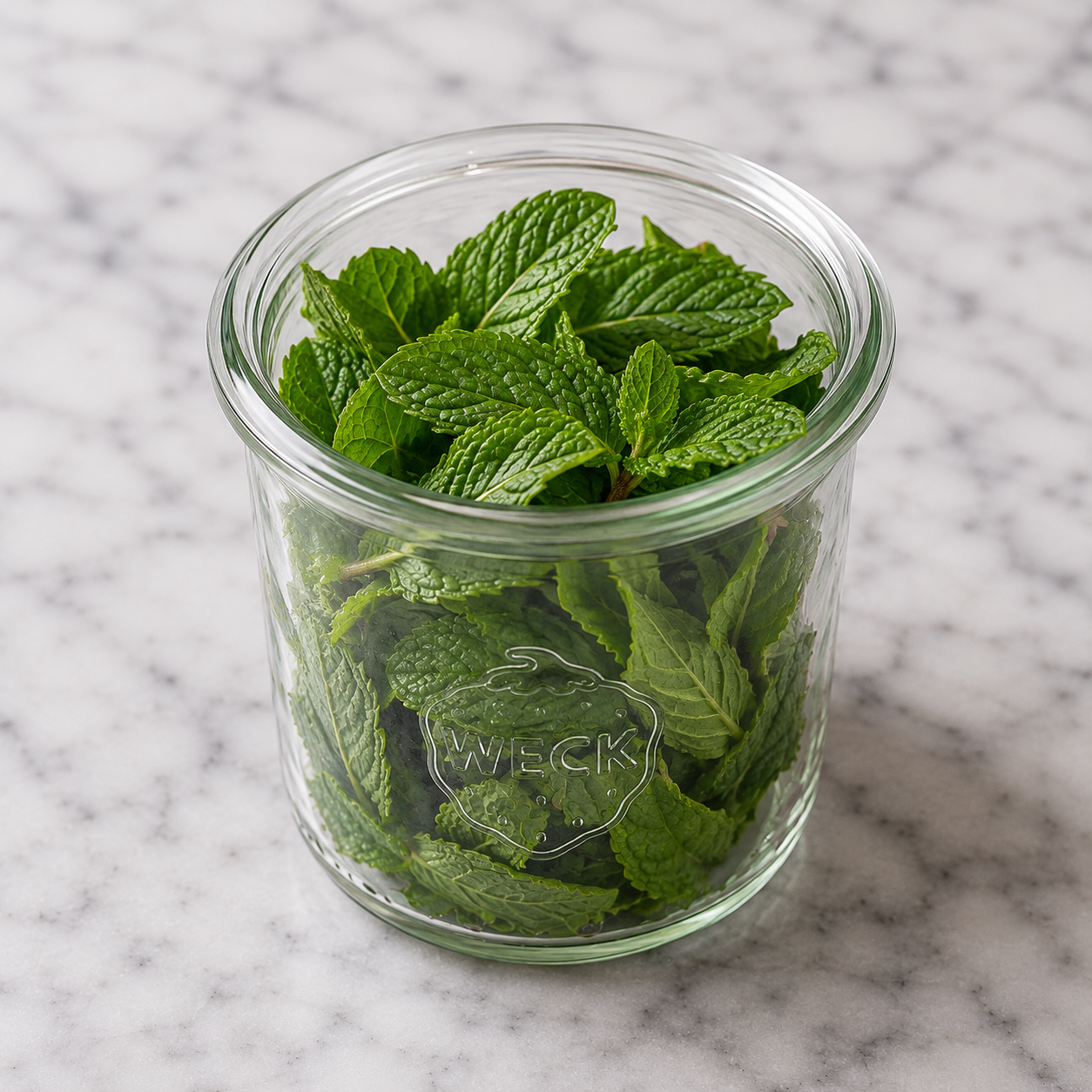
Mint is more than a flavor here. It contains rosmarinic acid, a polyphenol with meaningful anti-inflammatory properties. It supports bile production and gastric motility, making it a traditional digestive aid with a real mechanistic basis. It also contains a surprisingly significant amount of folate per weight. The flavor it brings to this soup is extraordinary, that bright, clean green taste that makes this feel like spring in a bowl. Note: mint has antilactogenic properties. This soup is not appropriate during breastfeeding.
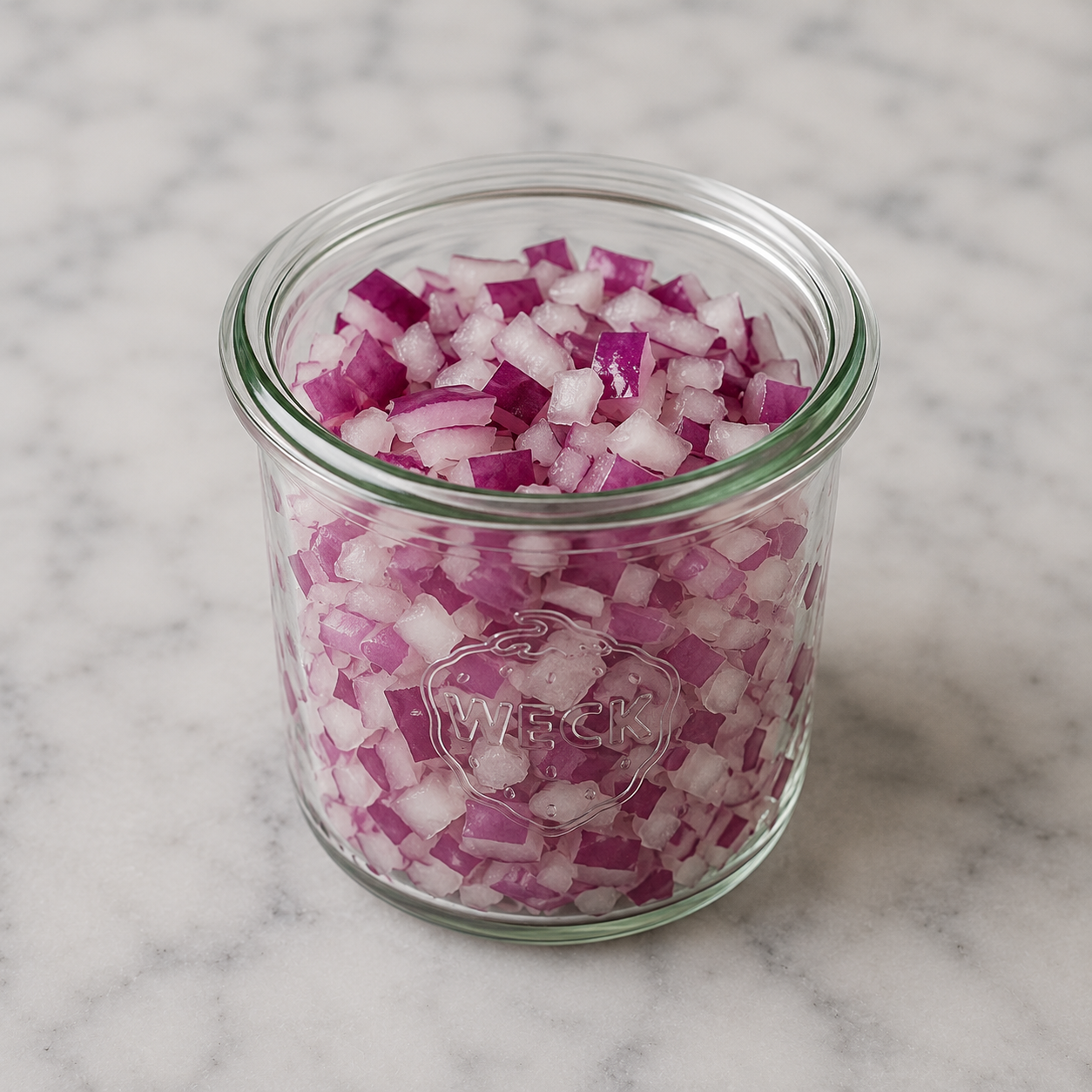
Before you cook: rough chop the onion and let it sit for 10 to 15 minutes before adding it to the pan. Cutting ruptures the cell walls and activates alliinase, an enzyme that converts alliin into allicin and other beneficial sulfur compounds. Heat destroys this enzyme almost immediately, so if you cook the onion right after cutting you lose most of the cardiovascular and anti-inflammatory benefit. Letting it sit first locks that activity in before heat exposure.
Red onion is significantly higher in quercetin than white or yellow onion, and quercetin is one of the most studied anti-inflammatory flavonoids in nutritional science. It has demonstrated antihistamine, cardiovascular, and gut microbiome-supporting properties across multiple research lines. Onions also contain fructooligosaccharides, prebiotic fibers that selectively feed Bifidobacterium and Lactobacillus. Cooking softens the pungency while preserving most of the quercetin content.

Low-sodium broth keeps the sodium load controlled while providing the liquid base and depth of flavor the soup needs. Look for broths with simple ingredient lists, ideally just vegetables, herbs, and water. High-sodium broths can significantly increase the sodium content of the finished dish, which matters for blood pressure regulation and for patients with Hashimoto's or cardiovascular concerns.
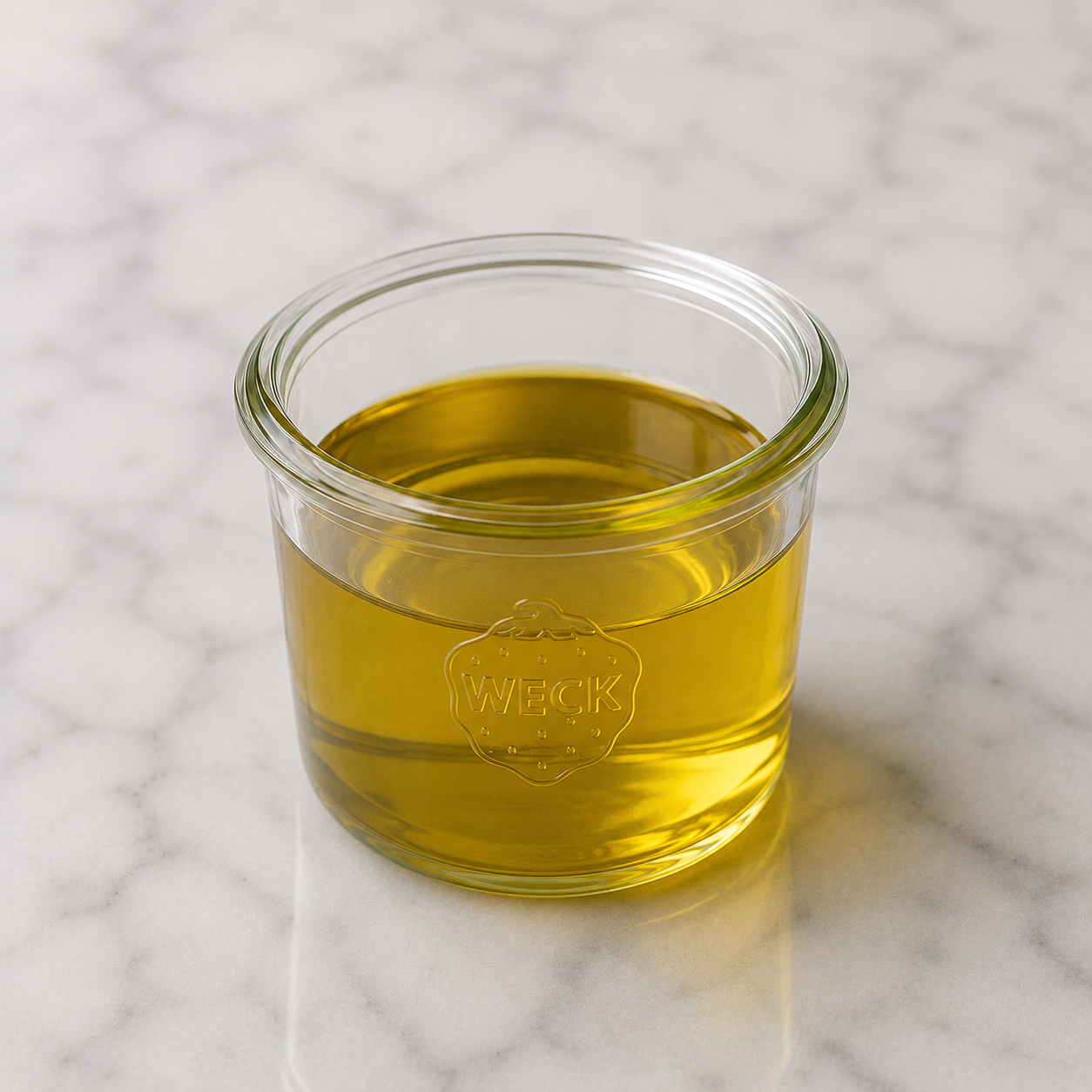
Extra virgin olive oil is one of the best-studied foods in nutritional science, consistently associated with reduced cardiovascular risk, lower inflammation, and improved metabolic health. It is the fat base that makes this soup feel satisfying rather than simply light. The polyphenols and oleocanthal survive brief cooking at moderate heat.

Season at the end, after blending, when you can accurately taste the finished soup. The peas and mint carry significant natural sweetness, you may need less salt than you expect.
Peas, spinach, and mint together deliver one of the highest folate loads of almost any single dish you can make, making this one of the most folate-rich fertility foods in a single bowl.
How to make it
Ingredients
- 1 medium organic red onion, rough chop
- 1 tablespoon extra virgin olive oil
- 1 bunch or 5 to 8 oz bag organic baby spinach
- 2 pounds frozen organic peas
- 5 cups low-sodium organic vegetable broth
- 1 cup packed fresh organic mint leaves
- Sea salt and fresh ground pepper to taste
Method
- Rough chop the red onion and let it sit for 10 to 15 minutes before cooking. This activates the beneficial sulfur compounds that heat would otherwise destroy.
- In a large heavy saucepan or stockpot, cook the onion in olive oil with a pinch of salt over moderately low heat, stirring occasionally, until softened, about 5 minutes.
- Add the spinach and cook until just wilted, about 2 minutes.
- Add the peas and vegetable broth. Bring to a simmer and cook uncovered until the peas are tender, about 5 to 10 minutes.
- Stir in the mint leaves and remove the pan from heat immediately.
- Puree in batches in a blender until very smooth, using caution with hot liquid. Alternatively use an immersion blender directly in the pot.
- Season with salt and pepper to taste. Serve hot, or cover and chill for at least 4 hours to serve cold.
The bigger picture
Folate is one of the most critical nutrients in early pregnancy, required for neural tube closure in the first weeks after conception, often before a woman knows she is pregnant. Dietary folate from whole foods works alongside a methylated prenatal supplement to build the tissue levels that matter most in that early window.
This soup is not a supplement. But a bowl of it delivers meaningful folate from three simultaneous whole food sources, alongside iron, magnesium, plant protein, anti-inflammatory polyphenols, and prebiotic fiber. It is the kind of meal that does quiet, cumulative work.
Serve it hot in the spring. Chill it and serve it cold in the summer. It keeps well refrigerated for several days and the flavor deepens overnight.
← Back to Journal