

Most smoothies are built around taste. This one is built around the gut-brain axis.
Every ingredient in this lassi has a specific clinical rationale, from the mangiferin polyphenols in mango that reduce intestinal permeability, to the 61 bacterial strains in kefir, to the black pepper that makes the turmeric actually work. It takes five minutes. And the microbiome research is consistent: daily exposure to diverse fermented and polyphenol-rich foods moves the needle more than any single supplement.
Here is what you are actually drinking.
The ingredients
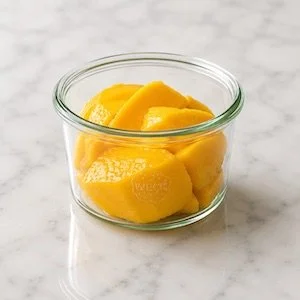
Most people think of mango as a high-sugar fruit to limit. The research tells a different story. Mango contains mangiferin, a polyphenol found in very few other foods, which has demonstrated direct anti-inflammatory activity in the gut lining and selective modulation of the microbiome toward more favorable bacterial populations. It also contains pectin, a soluble prebiotic fiber selectively fermented by Bifidobacterium. A 2021 randomized controlled trial published in the Journal of Nutrition found that daily mango consumption over 12 weeks significantly increased Bifidobacterium and reduced markers of intestinal permeability compared to controls. Ripe mango is higher in mangiferin than underripe.
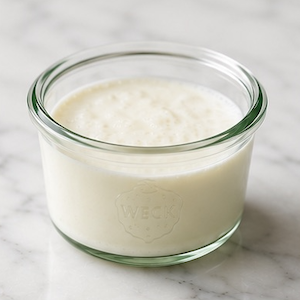
Most commercial yogurts contain 2 to 7 bacterial strains. Kefir contains up to 61. That diversity matters because different bacterial species colonize different niches in the gut, produce different metabolites, and support different aspects of immune function. A 2021 Stanford study published in Cell found that a high-fermented food diet significantly increased microbiome diversity and reduced 19 inflammatory markers, more than a high-fiber diet alone. Full-fat is clinically preferable: the fat dramatically improves curcumin absorption from the turmeric, and full-fat fermented dairy has stronger evidence for metabolic health than low-fat versions. Use kefir, not yogurt. The distinction matters.

Ginger is one of the most well-studied functional foods for gut health. It has prokinetic properties, meaning it supports gastric motility and helps food move through the digestive tract appropriately, relevant for bloating, slow digestion, and SIBO risk. It reduces intestinal inflammation through inhibition of inflammatory pathways including COX-2. And it has prebiotic properties that selectively increase Lactobacillus populations. Fresh ginger is meaningfully more bioactive than ground, the gingerols in fresh ginger convert to shogaols when dried, which have different and generally weaker effects on the gut.

The most underestimated ingredient in this recipe. Cardamom contains compounds that have demonstrated selective antimicrobial activity against specific gut pathogens, including certain strains of Helicobacter pylori and Candida, while sparing beneficial bacteria. That selectivity is clinically significant: most antimicrobial compounds are indiscriminate. Cardamom also supports bile production and bile acid secretion, which aids fat digestion and improves absorption of fat-soluble vitamins A, D, E, and K. It is an underappreciated digestive spice with a strong clinical rationale for regular inclusion.
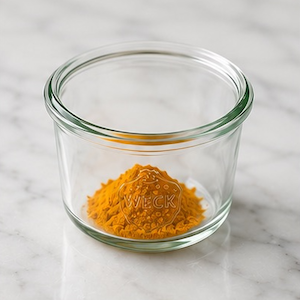
Curcumin, the active polyphenol in turmeric, has one of the most extensively studied relationships with gut health of any dietary compound. It modulates the gut microbiome toward increased diversity, specifically increasing populations of short-chain fatty acid-producing bacteria. Short-chain fatty acids, particularly butyrate, are the primary fuel source for colonocytes, the cells lining the colon, and are essential for maintaining intestinal barrier integrity. Curcumin also directly reduces intestinal permeability, addressing leaky gut at a mechanistic level. Its major limitation is poor bioavailability in isolation, which is exactly why the next ingredient exists.

Piperine, the active compound in black pepper, increases curcumin bioavailability by up to 2000%. This is one of the most dramatic nutrient interaction effects documented in nutritional science. A quarter teaspoon of turmeric consumed without black pepper delivers a fraction of the curcumin your gut can actually use. The same turmeric with a small amount of black pepper is a genuinely different clinical intervention. The fat in the kefir further enhances curcumin absorption, making this combination, turmeric, black pepper, and full-fat kefir, unusually well-designed for curcumin delivery. This is not a garnish.

No clinical story here. It makes it a lassi.
The microbiome research is consistent: daily exposure to diverse fermented and polyphenol-rich foods moves the needle more than any single supplement.
How to make it
Ingredients
- 1.5 cups ripe mango, fresh or frozen
- 1 cup full-fat plain kefir
- 1 tsp fresh ginger, rough chop
- 1/2 tsp ground cardamom
- 1/4 tsp ground turmeric
- 1 pinch freshly ground black pepper
- 1/2 cup ice
- Add the mango, kefir, ginger, cardamom, turmeric, and black pepper to a blender. Blend on high for 60 seconds until completely smooth.
- Add the ice and blend again for 20 seconds.
- Taste and adjust cardamom or ginger if needed. Pour immediately and serve cold.
For the full science behind these ingredients and the gut-brain connection, read: Gut Health and Anxiety: What the Science Actually Shows.
← Back to Journal